| Title | Information |
| Instructor | Suzanne Moore |
| Skill Level | All Levels |
| Session/Dates | Session 1: Sunday, June 13, through Tuesday, June 15, 2027 (This price includes buffet lunch for two days) |
| Cost | $475 Workshop Fee + $15 Materials Fee = $490 |
| Times | 1:30 pm–4:30 pm Sunday 9 am–12 noon and 1:30 pm–4:30 pm Monday and Tuesday |
| Buffet Lunch | 12 noon–1 pm Monday and Tuesday |
Summary Description
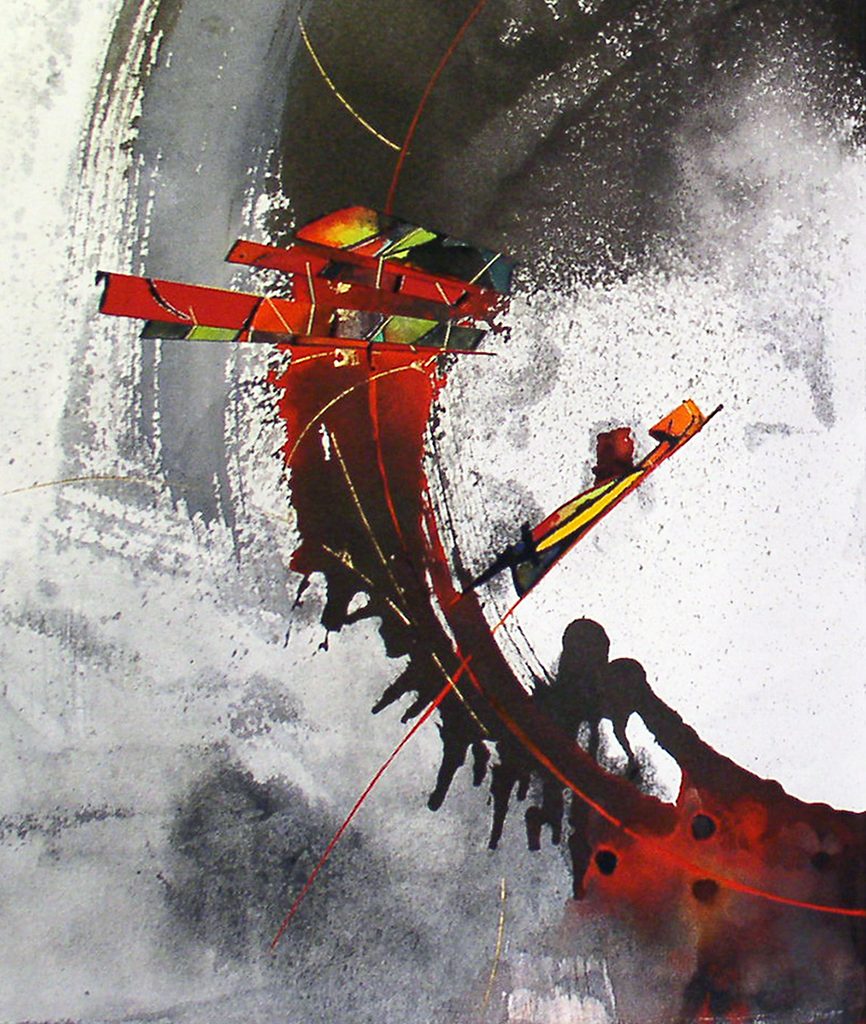
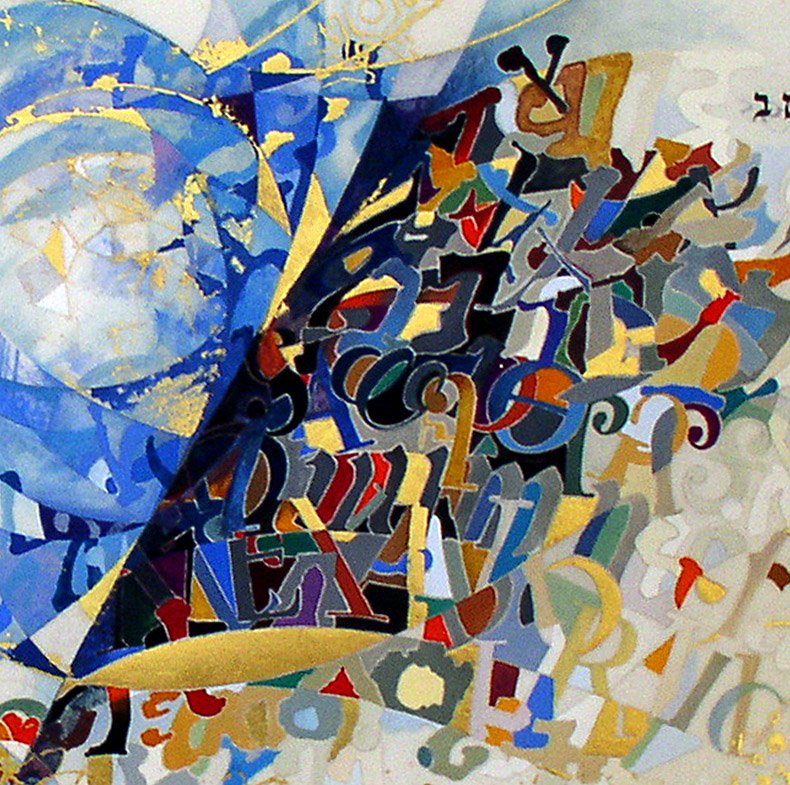
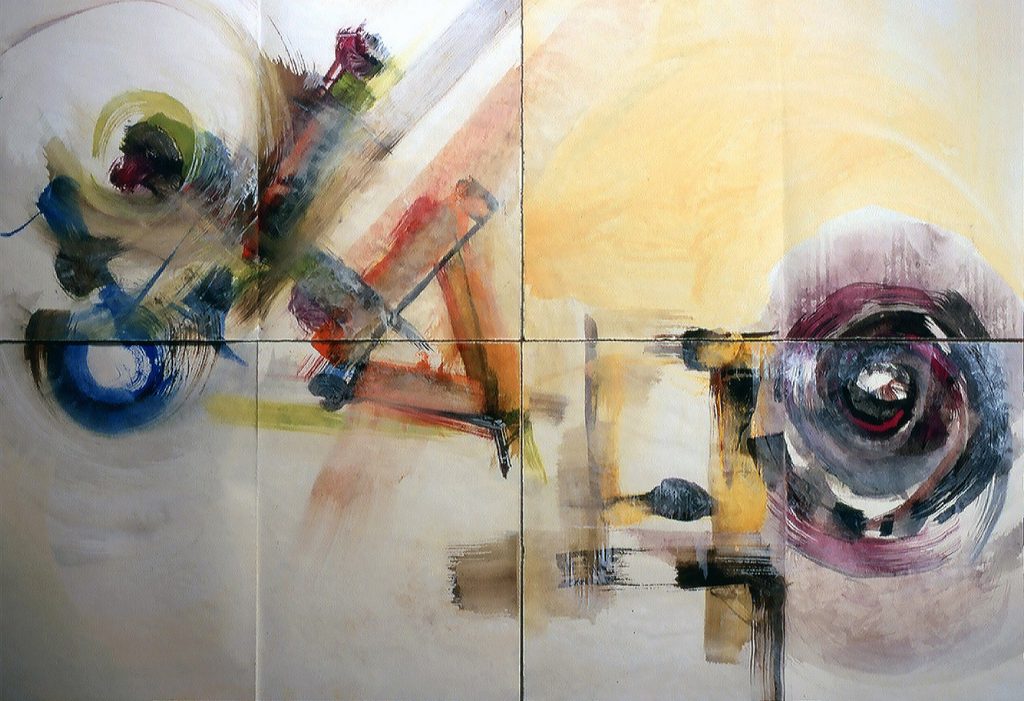
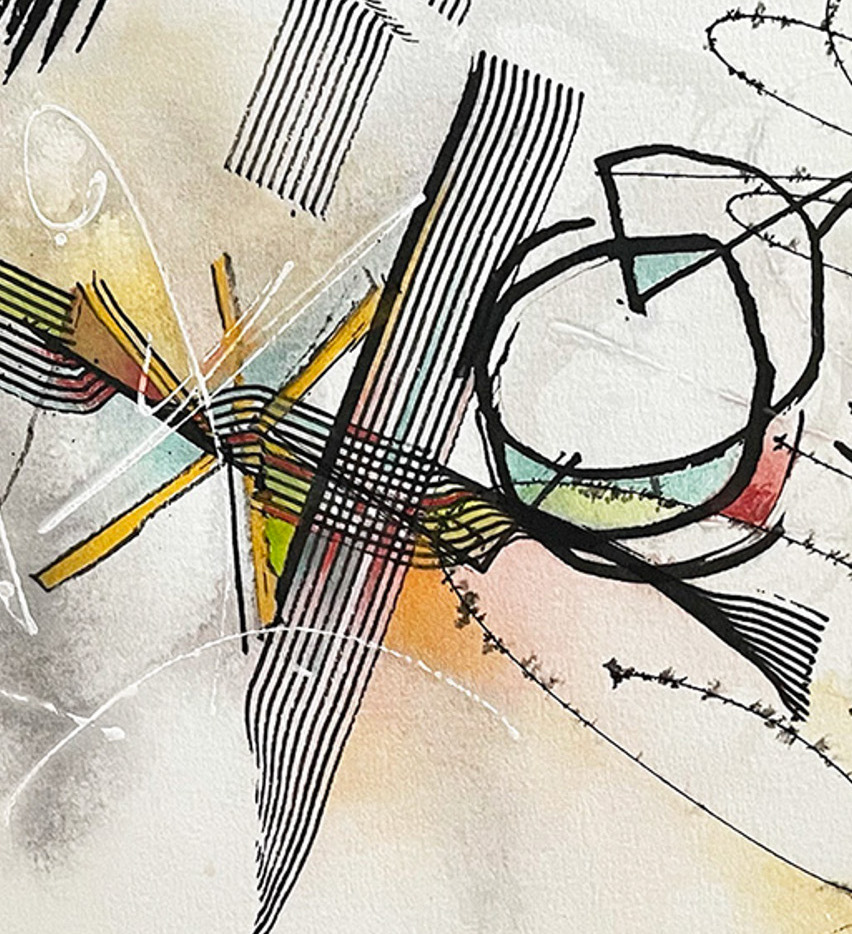
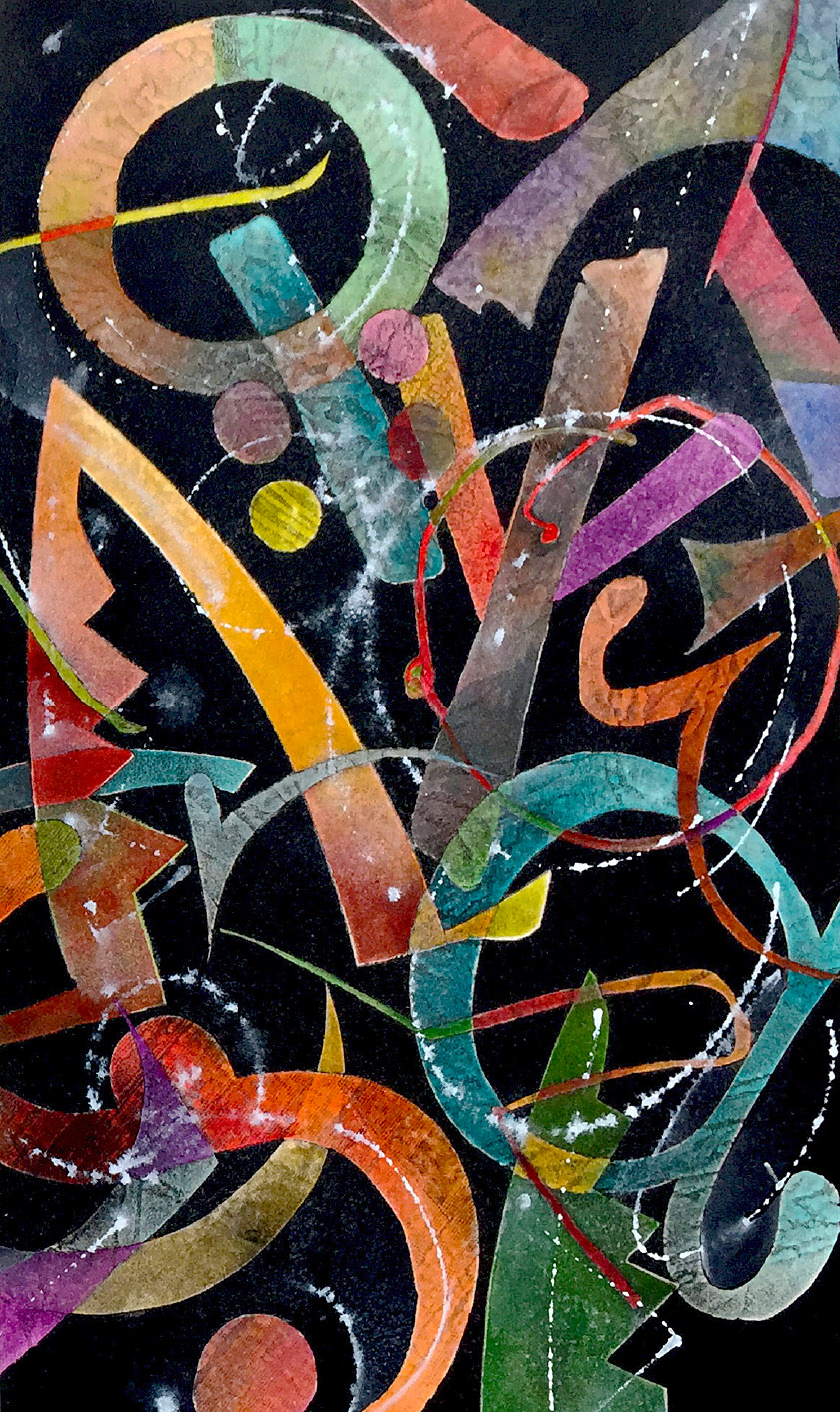
Learn to use egg glair while painting, drawing, and lettering with gouache as a way to add matte layering to your artwork, and improve adhesion and wear-resistance. Experiment with layering colors over existing artwork, blank papers, gesso, gouache, and ink.
Detailed Description
The richness and matte quality of gouache are unique as a painting, drawing and lettering medium. We will make and use egg glair to add color to small pieces of work you bring and create new work, with a series of mark-making exercises.
Egg glair adds additional adhesion to gouache, while maintaining its beautiful matte surface. Glair allows layering of colors as you letter or paint, as well as making paintings wear-resistant for book pages. You can successfully use the the gutsy-est brush, the finest nibs, and everything in between.
We will paint and draw with gouache, apply color to a design of your choice, layer colors over gesso, gouache and ink, as we experiment.
Students will create a small collection of paintings and experiments to inform future work.
Skill Level: All
All creatives welcome. Some color-mixing and painting experience required.
Required Tools & Materials Supplied by Student
- 2 or 3 small pieces of work (discarded or new) black-and-white or color, to add color to, on sized paper (this can be a print, painting, sumi-drawing, etc., on paper with good sizing)
- Nylon brushes—pointed and broad—for use with gouache (sets from art/hobby stores are fine, and affordable)
- Wedge or “angle” brush 3/16” to 3/8”( Suzanne will also bring some for use in class)
- Water jars—one large and two small ones (recycled is great)
- Small container for glair, with lid— glass or plastic (2-4 oz)
- Small squeeze bottle for water, or two pipettes (plastic is fine)
- Fine mist spray bottle (recycled and clean is great)
- Three pieces of favorite 8 x 8″ papers you’d like to use for gouache experiments, with good sizing so that fluid media sit on the surface rather than absorbing quickly (other than Arches Text Wove)
- Small break-off knife or X-Acto
- Bone folder
- Small cutting mat or piece of mat board (to cut on)
- 2H or 3H pencil and 6H or 7H pencil
- Two recycled plastic containers, with lids (about 8 oz)
- Favorite tool for use with ink, any size (ruling pen, interesting (nylon) brushes
Optional Recommended Tools & Materials
- A few favorite gouache colors (not “Acryl” gouache)
- Plastic palettes or a few (white) lids, like yogurt container lids, to use for palettes
- Additional papers you know well and use in your work with fluid medium, that you would like to try: 8” to 10” square: sized handmade papers, watercolor papers, etc.—papers that you know and love. Note: Well-sized papers will give you best results. Test by putting a drop of water on the sheet. It should “sit” on the surface, rather than quickly soaking in.
- Chinese White (tube) watercolor and/or white gouache (if you like to use it)
- Any unusual tools for sumi ink (NOT sable or fine hair brushes)
Tools & Materials Supplied by Instructor
- Sumi ink and gouache, mixing brushes, palettes
- Mark-making tools, nibs and holders
- Array of brushes
- Selection of papers (Arches Text Wove and others)
- Designs to trace
- Gesso and brushes
- Sized papers to make portfolios
- Prints to hand-color
Instructor Bio
Suzanne Moore layers painting, lettering, printmaking, and drawing to create contemporary manuscript books and limited-edition books. She weaves word and painted image with form, content, and structure into spaces that invite the reader to engage, examine, and inquire. Her books blend abstract and representational imagery, rich color, and surface treatments with textual content, contemporary lettering, and typography to create work that obscures the line between word and image, legibility and abstraction. She was one of two Americans on the Wales-based team creating contemporary interpretive illuminations for the Saint John’s Bible, commissioned for Saint John’s Abbey in Minnesota. Her work is shown widely and is collected privately and by institutions such as Wellesley College, the Library of Congress, Harvard, Yale, Princeton, and the University of Washington, among others. Suzanne teaches contemporary manuscript design, conceptual book design, and painting and collage techniques in North America and abroad, and speaks about her work. https://suzannemoorefolios.com/
Click on any image to enlarge. Click again to close.